I Love Pi Math Lover Embroidery Design: A Practical Evaluation
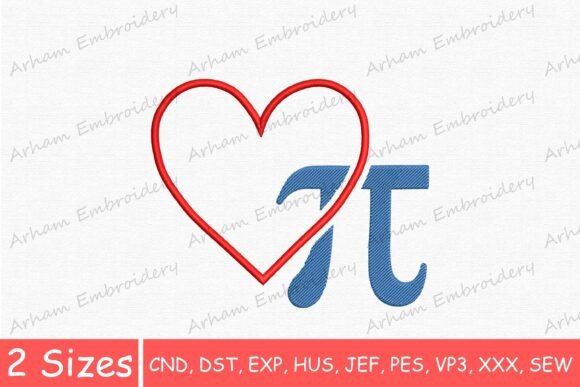
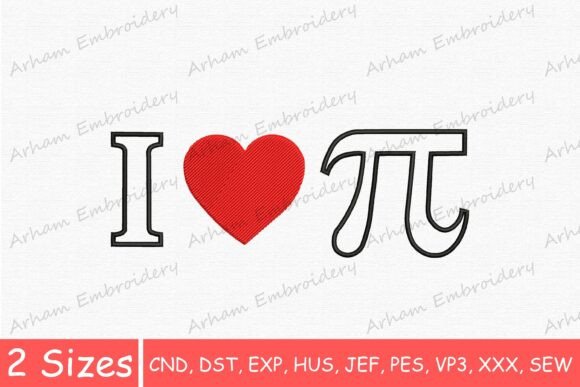
The intersection of mathematical appreciation and textile arts has given rise to a niche but dedicated market for STEM-themed embroidery. Among the available options, the I Love Pi Math Lover Embroidery Design stands out as a specific digital file intended for machine embroidery enthusiasts. This design features a bold "I," a stylized pi symbol (π), and a bright red heart, combining satin outline lettering with smooth fill stitching. For educators, students, engineers, and hobbyists considering this pattern, it is essential to evaluate its technical specifications, aesthetic versatility, and suitability for various projects before making a purchase or download.
Understanding the Design Specifications
At its core, the I Love Pi Math Lover Embroidery Design is a digital file compatible with standard home and commercial embroidery machines. Unlike printed graphics, which are applied to fabric via ink, this pattern relies on thread manipulation to create imagery. The design utilizes two primary stitch types: satin stitches for the text and symbols, and fill stitches for the heart element. Satin stitching involves parallel rows of thread that create a glossy, ribbon-like effect, ideal for outlining letters and geometric shapes like the pi symbol. Fill stitching, conversely, covers larger areas with a dense, cross-hatched pattern to create solid color blocks, such as the red heart.
The visual composition is intentionally clean and modern. The typography is straightforward, ensuring legibility even at smaller sizes, while the heart serves as an emotional anchor to the mathematical concept. This balance between technical precision and symbolic warmth defines the pattern's character. When evaluating this file, users should note that the final appearance depends heavily on the quality of the digitization—the process of converting the image into machine-readable instructions. High-quality digitization ensures that curves in the pi symbol remain smooth and that the transition between satin and fill stitches is seamless.
Reasons to Consider This Pattern
Several factors make the I Love Pi Embroidery Design Math Lover Stitch Pattern an attractive option for specific audiences. First, it addresses a unique demographic: individuals who wish to express their passion for mathematics in a tangible way. For math teachers, this design offers a professional yet approachable way to decorate classroom items or personal attire. It signals expertise without being overly academic or intimidating.
Second, the design is highly versatile regarding timing and occasion. While Pi Day (March 14) is the most obvious celebration, the inclusion of a heart makes it equally relevant for Valentine's Day. This dual-purpose nature extends the utility of the design beyond a single annual event. Additionally, the simplicity of the motif allows it to function well as part of a broader collection of STEM-related apparel for science clubs, engineering departments, or university student organizations.
Finally, for those interested in handmade gifts, this pattern provides a distinct alternative to mass-produced merchandise. Customizing a tote bag, backpack, or sweatshirt with this specific stitch pattern adds a personal touch that printed items often lack. The tactile quality of embroidered thread can elevate a simple garment into a statement piece.
Benefits and Tradeoffs
Evaluating the I Love Pi Math Lover Embroidery Design requires weighing its benefits against potential limitations. The primary benefit is durability. Embroidered designs generally withstand washing and wear better than screen prints or iron-on transfers. The satin and fill stitches used in this pattern are robust, meaning the "I Love Pi" message will likely remain crisp over time.
However, there are tradeoffs to consider. The use of satin stitching on curved elements, such as the pi symbol, can sometimes lead to puckering if the fabric is too thick or if the stabilizer is insufficient. Users must ensure they select the appropriate backing material to prevent distortion. Furthermore, while the design is clean, it is not minimalist in terms of thread count. Depending on the size selected, the number of stitches may be significant, leading to longer run times on the machine compared to simpler monogram patterns.
Another consideration is color limitation. The description highlights a "bright red heart," suggesting a specific color palette. While thread colors can be changed within the software, the design structure assumes a high-contrast look. If a user desires a more subtle or multi-colored gradient effect, this specific pattern may require significant editing or might not align with their aesthetic goals.
Situations Where the Design Excels
The I Love Pi Embroidery Design is a strong fit for several specific scenarios. It is particularly effective on medium-weight fabrics such as cotton t-shirts, fleece sweatshirts, and canvas tote bags. These materials provide enough stability to support the density of the fill stitches without excessive stretching. For classroom decor, the design works well on felt banners or fabric pockets where the texture adds depth to the environment.
It is also an excellent choice for small-scale applications. Because the lettering and symbols are distinct, the design scales down reasonably well for hats or patches, provided the minimum stitch size of the machine is respected. In these contexts, the boldness of the "I" and the pi symbol ensures the message remains readable even from a distance.
When Alternatives May Be Preferable
Despite its merits, there are situations where this design may not be the optimal choice. If the project involves very delicate fabrics, such as silk or lightweight chiffon, the density of the fill stitches could damage the material or cause severe warping. In such cases, a lighter, open-work design or a printed alternative would be more appropriate.
Additionally, if the goal is to cover a large area of fabric with a complex mathematical theme, this single motif might feel too small or isolated. Users looking for all-over prints or intricate background patterns involving equations and graphs would find this design too limited in scope. Similarly, for those seeking a vintage or distressed aesthetic, the clean, modern finish of this machine embroidery file may clash with the desired look.
Practical Decision-Making Insights
To determine if the I Love Pi Math Lover Embroidery Design aligns with your needs, consider the following practical steps. First, review the file format compatibility with your specific embroidery machine. Most modern machines accept formats like .PES, .DST, or .JEF, but verifying this prevents wasted downloads. Second, test the design on a scrap piece of the intended fabric with a stabilizer to check for puckering, especially around the heart fill and the curves of the pi symbol.
Third, evaluate the scale. Measure the dimensions of the hoop you plan to use and compare them to the design's maximum size. If the design is too large for your hoop, it may need to be split into multiple sections, which can complicate the stitching process. Finally, consider the end-user. If the recipient prefers understated branding, the bold red heart might be too prominent. In contrast, for someone who embraces their "nerd" identity enthusiastically, the vibrant colors and clear symbolism will likely resonate perfectly.
In conclusion, the I Love Pi Math Lover Embroidery Design offers a functional and aesthetically pleasing solution for those wishing to celebrate mathematics through textile art. By understanding its technical requirements and aesthetic strengths, users can make informed decisions about its application, ensuring a professional and satisfying result for both personal projects and gift-giving occasions.