Retro Pi Day Embroidery Design: A Practical Evaluation
The intersection of mathematical celebration and textile art has produced a distinct niche in the creative market, with the Retro Pi Day Embroidery Design standing out as a notable asset for educators, hobbyists, and small business owners. This specific digital file combines the timeless symbol of Pi with vintage aesthetics, creating a visual language that resonates with STEM enthusiasts while remaining versatile enough for general apparel customization. For professionals managing embroidery workflows or educators looking to create cohesive class merchandise, understanding the technical and aesthetic merits of this design is essential before integrating it into a production pipeline.
Aesthetic Composition and Vintage Appeal
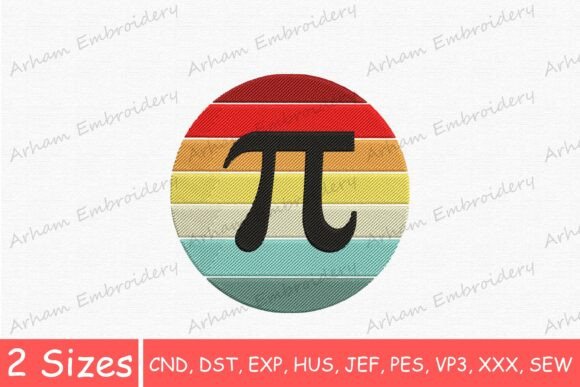
The defining characteristic of this Retro Pi Day Embroidery Design is its deliberate departure from modern, minimalist vector graphics in favor of a nostalgic, textured look. The design features a colorful stripe pattern that mimics the visual trends of the 1970s and 80s, paired with a math circle stitch pattern that adds depth without overwhelming the fabric. This combination serves a dual purpose: it celebrates the academic significance of March 14th while providing a trendy, wearable aesthetic that appeals to adults aged 20 to 50 who appreciate retro styling.
From a design perspective, the inclusion of the Pi symbol within a circular motif creates a balanced focal point. The use of color stripes introduces vibrancy, which is crucial for embroidery projects where thread count and color blending can sometimes result in muddy visuals if not carefully planned. The "nerdy" aspect of the design is softened by the vintage vibe, making it suitable for a broader audience than just hardcore mathematicians. It transforms a standard educational graphic into a fashion statement, which is a significant factor for its longevity beyond a single holiday event.
Technical Specifications and Machine Compatibility
When evaluating an embroidery machine file, technical reliability is paramount. The Retro Pi Day Embroidery Design is structured to function efficiently across various commercial and home embroidery machines. The digitization appears to prioritize stitch density and underlay stability, ensuring that the intricate details of the math circle stitch pattern hold up during the stitching process. High-quality digitization prevents common issues such as puckering on stretch fabrics or thread breakage on dense areas.
The file format typically supports standard industry protocols, allowing users to import the design into popular software suites like Wilcom, Pulse, or Brother PE-Design. For entrepreneurs running a custom apparel business, the ability to resize the design without losing definition is critical. The vector-based nature of the underlying pattern allows for scaling, though care must be taken when enlarging the colorful stripe sections to maintain the integrity of the stitch direction. Users should verify the hoop size requirements; while the design is compact enough for a 4x4 inch hoop, larger versions may require a 6x10 or 10x10 hoop depending on the desired garment application.
Performance on Different Fabric Types
The versatility of this design extends to its performance on various substrates. On stable cotton blends found in t-shirts and tote bags, the colorful stripes render sharply, offering a crisp contrast against the background fabric. However, when applied to knitwear such as sweatshirts or hoodies, the stabilizer choice becomes more important. The density of the math circle stitch pattern requires adequate backing to prevent distortion. In professional settings, using a tear-away or cut-away stabilizer tailored to the weight of the fabric ensures the final product maintains a premium feel.
For backpacks and heavier canvas items, the design's durability is a strong asset. The stitch structure is robust enough to withstand the friction and wear associated with student gear. Conversely, on delicate silks or very thin synthetics, the user might need to adjust tension settings or reduce the overall scale of the Retro Pi Day Embroidery Design to avoid damaging the material. Understanding these fabric interactions is key to delivering a consistent product quality.
Applications in Education and Professional Branding
The primary utility of this design lies in its ability to bridge the gap between educational branding and personal expression. For STEM classrooms, the Retro Pi Day Embroidery Design offers a unique way to foster school spirit and celebrate academic milestones. Unlike printed decals that peel over time, embroidered patches provide a permanent, high-quality finish that elevates the perceived value of classroom swag. Teachers can utilize this design for end-of-year gifts, math club uniforms, or special recognition awards for students who excel in mathematics competitions.
Beyond the classroom, the design serves as an effective tool for small businesses specializing in geek culture or academic apparel. The "nerdy teacher" and "student gift" demographics are highly engaged markets, particularly around March 14th. By incorporating this design into limited-edition runs of tote bags, caps, or aprons, retailers can tap into the seasonal demand for Pi Day merchandise. The vintage aesthetic differentiates the product from the generic clip-art styles often found in mass-market stores, allowing creators to command a higher price point based on design uniqueness and quality.
Strategic Use in Marketing and Events
Marketers and event organizers can leverage the visual appeal of the colorful stripe Pi symbol to create memorable promotional items. At science fairs, engineering conferences, or university recruitment drives, branded merchandise featuring this design acts as a conversation starter. The retro theme aligns well with current design trends, making the merchandise feel contemporary rather than outdated. Furthermore, the design's clarity at smaller sizes makes it ideal for patch applications on jackets or hats, expanding the range of potential products.
For educators involved in grant-funded projects or departmental budgets, the cost-effectiveness of digital embroidery files is a practical advantage. Once purchased, the Retro Pi Day Embroidery Design can be reused indefinitely for multiple years, amortizing the initial cost over hundreds of garments. This long-term value proposition makes it a sensible investment for departments looking to build a cohesive visual identity for their programs.
Limitations and Considerations
While the design offers significant benefits, there are practical limitations to consider. The colorful stripe pattern requires a relatively high number of thread changes, which can increase the total stitching time per item. For high-volume production runs where speed is the primary metric, this might impact throughput compared to simpler, single-color designs. Additionally, the vintage style, while trendy, may not appeal to every demographic; some clients might prefer a more modern, sleek interpretation of mathematical symbols.
Another consideration is the complexity of the digitization for novice users. While the file is ready to stitch, those unfamiliar with machine embroidery may struggle with optimizing the stabilizer and needle selection for the best results. It is recommended that users test the design on scrap fabric first, particularly when working with new materials or different thread brands. Ensuring the correct tension and backing will prevent frustration and wasted materials during the actual production phase.
Conclusion on Utility and Value
The Retro Pi Day Embroidery Design represents a well-executed blend of thematic relevance and technical functionality. Its strength lies in its ability to serve both functional and aesthetic purposes, making it a valuable asset for teachers, students, engineers, and creative entrepreneurs. The vintage math circle stitch pattern and colorful stripes provide a distinctive look that stands out in a crowded market of educational merchandise. When evaluated against criteria of quality, usability, and long-term value, this design proves to be a reliable resource for anyone looking to add a touch of mathematical flair to their textile projects.
Ultimately, the decision to incorporate this design should depend on the specific goals of the project. For those seeking a durable, stylish, and meaningful way to celebrate Pi Day or support STEM initiatives, this embroidery file offers a practical solution that balances artistic vision with manufacturing reality. Whether used for a single personalized gift or a large-scale classroom initiative, the design delivers consistent results that enhance the final product's appeal and longevity.